
BPC-157 (Wolverine): What Researchers Need to Know
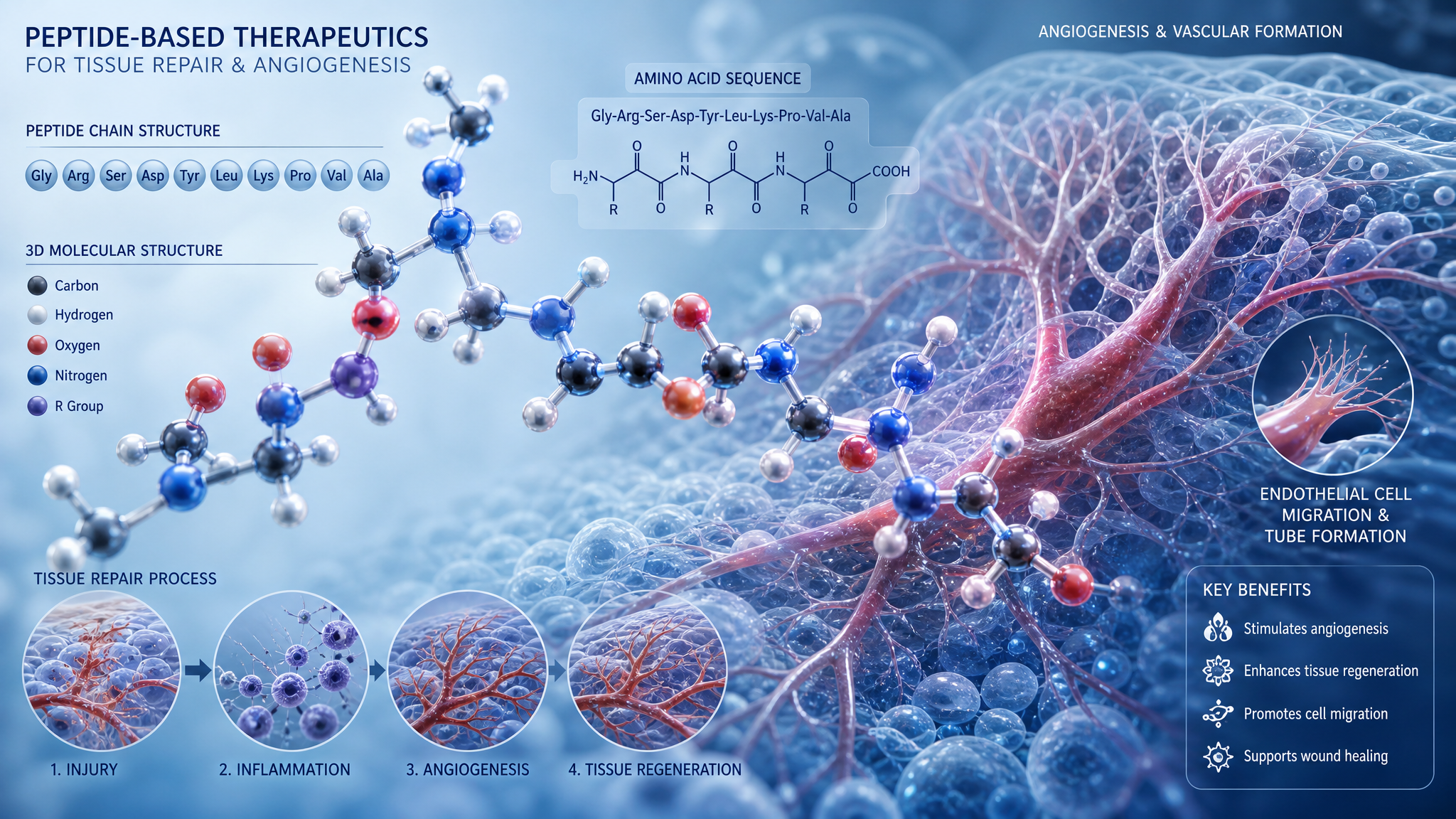
Introduction to BPC-157 in Research
Body Protection Compound-157 (BPC-157) is a synthetic pentadecapeptide (15 amino acids) derived from a protective protein found in human gastric juice. With the sequence Gly-Glu-Pro-Pro-Pro-Gly-Lys-Pro-Ala-Asp-Asp-Ala-Gly-Leu-Val, it has attracted significant scientific interest due to its remarkable cytoprotective and regenerative properties observed across a wide range of preclinical models.
Since its initial characterization in the 1990s, BPC-157 has been the subject of hundreds of peer-reviewed studies, predominantly in rodent models, demonstrating accelerated healing of tendons, ligaments, muscles, bone, and gastrointestinal tissue. At Peptides HQ, we supply Wolverine 20mg (BPC-157 + TB-500) as a research-grade compound for qualified laboratory use.
This article provides a comprehensive overview of BPC-157 for researchers, covering its molecular mechanisms, published evidence base, laboratory protocols, and important scientific context. For broader background on research peptides, see our guide on Understanding Research Peptides.
Mechanism of Action
BPC-157 exerts its effects through several interconnected molecular pathways, making it a uniquely pleiotropic research compound.
Nitric Oxide System Modulation
One of BPC-157's most studied mechanisms involves its bidirectional regulation of the nitric oxide (NO) system. Unlike simple NO donors, BPC-157 demonstrates context-dependent activity: it increases NO bioavailability in ischemic or deficient states to improve tissue perfusion, while simultaneously counteracting NO over-release in inflammatory conditions to prevent free radical damage. This regulatory capacity is mediated through the eNOS (endothelial nitric oxide synthase) pathway.
Pro-Angiogenic Activity
BPC-157 promotes angiogenesis — the formation of new blood vessels — primarily through activation of the VEGFR2-Akt-eNOS signaling cascade. This facilitates endothelial cell proliferation and the formation of organized capillary networks, which is critical for repairing poorly vascularized tissues such as tendons and ligaments. Studies have demonstrated that BPC-157 upregulates VEGF expression and accelerates the formation of functional microvasculature in wound models.
Fibroblast Activation and ECM Remodeling
BPC-157 enhances tissue repair by influencing fibroblast activity and extracellular matrix (ECM) remodeling. Research shows it accelerates wound healing by promoting fibroblast migration and proliferation, increasing the density and organization of collagen fibers, and upregulating growth hormone receptors on tendon fibroblasts. This growth hormone receptor upregulation may explain some of its systemic regenerative effects.
Neurotrophic and Neuroprotective Effects
Beyond peripheral tissue repair, BPC-157 has demonstrated neuroprotective properties in animal models. It modulates dopaminergic and serotonergic systems, and has shown protective effects in models of traumatic brain injury, spinal cord injury, and peripheral nerve damage. These effects appear to involve upregulation of neurotrophic factors and modulation of the GABAergic system.
Gastrointestinal Cytoprotection
Given its origin from gastric juice, BPC-157's cytoprotective effects on the gastrointestinal tract are well-documented. It protects against NSAID-induced gastric lesions, inflammatory bowel disease models, and intestinal anastomosis complications. The mechanism involves both local mucosal protection and systemic anti-inflammatory signaling.
Research Applications
BPC-157 has been investigated across a remarkably broad range of research applications in preclinical models:
- Tendon and Ligament Repair: Accelerated healing of Achilles tendon transections, medial collateral ligament injuries, and rotator cuff models
- Muscle Healing: Improved recovery from crush injuries, surgical incisions, and ischemia-reperfusion injury
- Bone Repair: Enhanced fracture healing and bone defect repair in rodent models
- Gastrointestinal Research: Protection against gastric ulcers, colitis, and intestinal fistula models
- Neurological Research: Neuroprotection in TBI, spinal cord injury, and peripheral nerve crush models
- Cardiovascular Research: Cardioprotective effects in ischemia-reperfusion models
- Corneal Healing: Accelerated corneal epithelial wound healing
Published Studies and Evidence Base
The majority of BPC-157 research has been conducted by a research group at the University of Zagreb, with studies published in peer-reviewed journals including Journal of Physiology-Paris, Current Pharmaceutical Design, and Biomedicines. Key findings include:
Tendon Healing Studies
A series of studies demonstrated that BPC-157 significantly accelerated Achilles tendon healing in rat models. Histological analysis showed improved collagen fiber organization, increased fibroblast density, and enhanced vascularization compared to controls. The peptide was effective via both local injection and systemic (intraperitoneal) administration, suggesting systemic bioavailability.
Gastrointestinal Protection
Multiple studies have demonstrated BPC-157's ability to prevent and heal gastric ulcers induced by various agents including ethanol, NSAIDs, and stress. A 2020 study in Biomedicines showed that BPC-157 counteracted the gastrointestinal side effects of commonly used medications, suggesting potential research applications in drug-induced GI injury models.
Neurological Research
Studies in rodent models of traumatic brain injury showed that BPC-157 administration reduced lesion volume, improved behavioral outcomes, and modulated neurotransmitter systems. Research published in Journal of Physiology-Paris demonstrated protective effects against dopaminergic neurotoxicity.
Important Scientific Limitations
The scientific community has highlighted significant gaps in the current evidence base. The vast majority of studies originate from a single research group, creating a need for independent multi-center validation. There are no completed large-scale human clinical trials establishing safety or efficacy in humans. Additionally, BPC-157 has a short plasma half-life of less than 30 minutes in animal models, yet initiates long-lasting regenerative effects — a mechanism not yet fully elucidated.
BPC-157 and TB-500 Synergy in Research
BPC-157 is frequently studied in combination with TB-500 (Thymosin Beta-4), a naturally occurring peptide involved in actin polymerization and cell migration. The rationale for combining these compounds in research is based on their complementary mechanisms:
- BPC-157 primarily promotes angiogenesis, fibroblast activation, and NO system modulation
- TB-500 primarily promotes cell migration, actin dynamics, and anti-inflammatory signaling
- Together, they may address different phases of the tissue repair cascade simultaneously
Preclinical research suggests that the combination may produce additive or synergistic effects on healing outcomes compared to either peptide alone. Our Wolverine 20mg (BPC-157 + TB-500) formulation is designed for researchers investigating this synergistic potential.
Laboratory Protocols
The following protocols are based on published research methodologies and are provided for research reference only.
Reconstitution Protocol
- BPC-157 is typically supplied as a lyophilized powder
- Reconstitute with bacteriostatic water (0.9% benzyl alcohol in sterile water) for research use
- Standard research concentrations range from 200–500 mcg/mL
- Gently swirl (do not shake) to dissolve; avoid vigorous agitation
- Allow to sit at room temperature for 5–10 minutes if needed for complete dissolution
In Vivo Research Dosing (Animal Models)
- Published rodent studies typically use doses of 10 mcg/kg to 10 mg/kg body weight
- Most commonly reported effective dose in rat models: 10 mcg/kg (approximately 2–3 mcg per 250g rat)
- Administration routes studied: intraperitoneal (IP), subcutaneous (SC), intragastric (IG), and local injection
- Frequency: once daily in most published protocols
In Vitro Research Considerations
- Cell culture studies typically use concentrations of 1–100 nM
- BPC-157 has demonstrated effects on fibroblast migration, proliferation, and gene expression in vitro
- Ensure sterile filtration (0.22 μm) of reconstituted peptide before cell culture use
Comparison with Similar Research Peptides
| Peptide | Primary Mechanism | Main Research Applications | Half-Life | Evidence Level |
|---|---|---|---|---|
| BPC-157 | NO modulation, VEGFR2-Akt-eNOS, fibroblast activation | Tendon, muscle, GI, neuro repair | <30 min (plasma) | Extensive preclinical; no human RCTs |
| TB-500 (Thymosin β4) | Actin sequestration, cell migration, anti-inflammatory | Wound healing, cardiac repair, hair growth | ~2–3 days | Preclinical + limited Phase 1/2 trials |
| GHK-Cu | Gene expression modulation, collagen synthesis, VEGF upregulation | Skin repair, wound healing, anti-aging | Short (topical/local) | Preclinical + cosmetic clinical data |
| Epithalon | Telomerase activation, pineal gland regulation | Aging research, circadian rhythm | Short | Preclinical + limited Russian clinical data |
| Ipamorelin | GHS-R1a agonism, GH secretion | GH axis research, metabolic studies | ~2 hours | Preclinical + Phase 1/2 clinical data |
Storage and Handling Requirements
Proper storage is critical for maintaining BPC-157 research integrity:
- Lyophilized powder: Store at -20°C for long-term storage (up to 24 months); stable at 4°C for up to 3 months
- Reconstituted solution: Store at 4°C and use within 4 weeks; avoid repeated freeze-thaw cycles
- Light sensitivity: Protect from light; store in amber vials or wrapped in foil
- Contamination prevention: Use sterile technique for all reconstitution and handling
- Temperature monitoring: Use calibrated refrigeration equipment; document storage temperatures
- Labeling: Label all vials with compound name, concentration, date of reconstitution, and expiry
For comprehensive safety guidelines, refer to our Peptide Research Safety: Best Practices guide.
Dosing Considerations in Preclinical Research Models
Understanding the dose-response relationship of BPC-157 is essential for designing rigorous preclinical studies. Published research has used a wide range of doses, and the optimal dose varies significantly depending on the model, endpoint, and administration route.
Dose-Response Characteristics
BPC-157 exhibits a non-linear dose-response relationship in many models. Studies have reported that very low doses (1–10 mcg/kg) can be as effective as or more effective than higher doses (1–10 mg/kg) in some endpoints. This "inverted U" dose-response pattern is not uncommon for peptides acting through receptor-mediated mechanisms and has important implications for research design. Researchers should include multiple dose groups to characterize the full dose-response curve rather than assuming linear dose-response relationships.
Route of Administration Considerations
The choice of administration route significantly affects BPC-157's pharmacokinetics and tissue distribution. Key considerations include:
- Intraperitoneal (IP): Most commonly used in rodent studies; provides rapid systemic absorption; suitable for acute and chronic dosing protocols
- Subcutaneous (SC): Slower absorption than IP; more clinically relevant route; suitable for chronic dosing studies
- Intragastric (IG) / Oral: Unusual for peptides due to GI degradation; BPC-157 shows remarkable stability in acidic conditions consistent with its gastric origin; effective in GI models and some systemic models
- Local injection: Direct injection into injured tissue; used in tendon, muscle, and bone repair studies; allows high local concentrations with minimal systemic exposure
- Intravenous (IV): Used in pharmacokinetic studies; provides immediate systemic distribution
Duration of Treatment
Published studies have used treatment durations ranging from single doses to 30+ days. For tissue repair studies, most protocols use 7–14 days of daily dosing, with histological and functional assessments at the end of treatment. For chronic studies investigating systemic effects, longer treatment periods (4–8 weeks) have been used. Researchers should select treatment duration based on the biological endpoint being studied and the expected time course of the response.
Analytical Methods for BPC-157 Research
Rigorous analytical characterization of BPC-157 preparations and research outcomes requires appropriate analytical methods.
Peptide Characterization
- HPLC purity analysis: Reverse-phase HPLC with UV detection at 214 nm; purity should be ≥98% for research use
- Mass spectrometry: ESI-MS or MALDI-TOF to confirm molecular weight (1419.5 Da for BPC-157); verify absence of oxidation products or truncated sequences
- Amino acid analysis: Confirms peptide composition and quantity
- Endotoxin testing: LAL assay; critical for in vivo studies to exclude endotoxin-mediated effects
Biological Endpoint Measurements
- Wound healing: Planimetric wound area measurement, histological scoring (H&E, Masson's trichrome for collagen), immunohistochemistry for VEGF, CD31 (endothelial marker)
- Tendon/ligament repair: Biomechanical testing (tensile strength, stiffness), histological scoring, collagen fiber organization analysis
- Angiogenesis: CD31/PECAM-1 immunostaining for microvessel density, VEGF ELISA
- Inflammation: Cytokine multiplex (TNF-α, IL-1β, IL-6, IL-10), myeloperoxidase activity assay
- NO system: Nitrite/nitrate measurement (Griess reagent), eNOS expression by Western blot or IHC
Frequently Asked Questions
What is the primary difference between BPC-157 and TB-500 in research?
BPC-157 primarily works through NO system modulation and VEGFR2-mediated angiogenesis, making it particularly relevant for vascularization and fibroblast-driven repair. TB-500 (Thymosin Beta-4) primarily promotes cell migration through actin sequestration and has stronger anti-inflammatory properties. In research, they are often studied together due to their complementary mechanisms across different phases of tissue repair.
Has BPC-157 been tested in human clinical trials?
As of the current literature, there are no completed large-scale randomized controlled trials in humans. The evidence base consists almost entirely of preclinical animal studies. A Phase 2 trial for inflammatory bowel disease was registered but results have not been widely published. This represents a significant gap in the evidence base that researchers should note.
What is the significance of BPC-157's short plasma half-life?
BPC-157 has a plasma half-life of less than 30 minutes in animal models, yet studies show it initiates long-lasting regenerative effects. This paradox suggests that BPC-157 may trigger downstream signaling cascades that persist beyond the peptide's presence, or that it may have tissue-specific accumulation. This mechanism is not yet fully understood and represents an active area of research inquiry.
What administration routes have been studied for BPC-157?
Published research has investigated intraperitoneal (IP), subcutaneous (SC), intragastric (IG), intramuscular (IM), and local injection routes. Notably, BPC-157 has shown efficacy via oral/intragastric administration in GI models, which is unusual for peptides and may relate to its gastric origin and stability in acidic environments.
What are the key limitations of current BPC-157 research?
The primary limitations include: (1) the majority of studies originate from a single research group, limiting independent validation; (2) no completed human clinical trials; (3) the mechanism underlying its long-lasting effects despite short half-life is unclear; (4) most studies use relatively small sample sizes; and (5) translation from rodent models to other species remains unvalidated.
How should BPC-157 be handled to maintain research integrity?
Maintain cold chain throughout storage and handling. Use sterile technique for reconstitution. Document all handling procedures, storage temperatures, and lot numbers. Verify peptide identity and purity through certificate of analysis before use. Ensure all research protocols comply with institutional animal care and use committee (IACUC) requirements where applicable.
What concentration is typically used in cell culture studies?
In vitro studies typically use BPC-157 at concentrations ranging from 1 nM to 100 nM. Effects on fibroblast migration and proliferation have been demonstrated at concentrations as low as 1 nM. Higher concentrations (up to 1 μM) have been used in some studies without apparent cytotoxicity, though optimal concentrations should be determined empirically for each cell type and endpoint.
Is BPC-157 stable in aqueous solution?
BPC-157 is relatively stable in acidic conditions (consistent with its gastric origin) but degrades more rapidly at neutral to alkaline pH. Reconstituted solutions should be stored at 4°C and used within 4 weeks. For longer storage, aliquot and freeze at -20°C. Avoid repeated freeze-thaw cycles, which can cause peptide aggregation and loss of activity.
For more information on the future of peptide research, see our article on The Future of Peptide Research in South Africa.
About Peptides HQ
Peptides HQ is South Africa's leading supplier of research-grade peptides. All products are for research purposes only and are not intended for human consumption. Browse our peptide catalog →